Historic African American Community
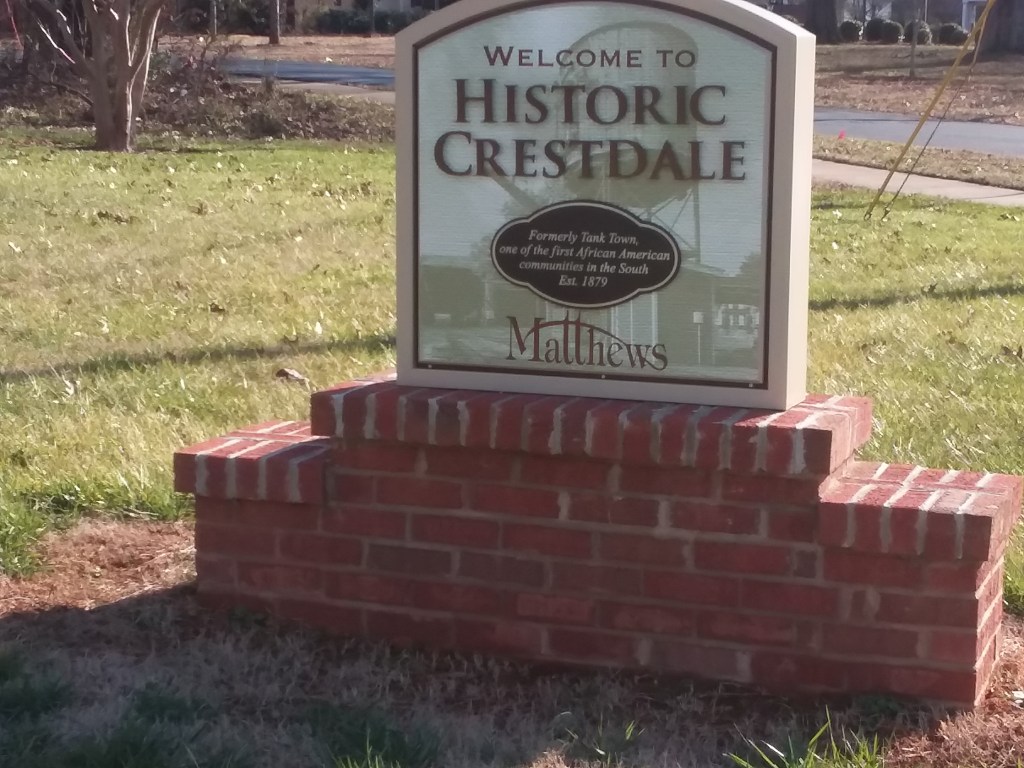
Crestdale is one of the oldest African American communities in North Carolina. The Town of Matthews and the Crestdale community have worked to preserve this piece of local history by completing the Matthews Heritage Trail. Informational signage is placed at specific locations along the trail, detailing some of the history and interesting facts about Crestdale.
The Birth of Tank Town
Following the Civil War, African Americans, including many formerly enslaved, built a thriving community on over 100 acres southeast of Matthews. Named for the water tank supplying trains at Matthews Depot, Tank Town became home to railroad workers, farmers, and service workers.
The first known African American residents in Tank Town in 1880 were William Weddington, Harvey Downs, Epp Grier, and Henry Gaddy. For its first century, the community remained separate but strong, preserving its identity and culture.
In 1857, J.S. Gribble bought 143 acres in the Morning Star area of Mecklenburg County to live on and farm.
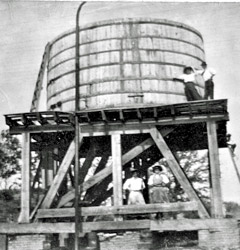
In 1874, the Carolina Central Railway tracks were laid on property just east of Matthews. The water tank that replenished trains with water for steam power was located here, giving the nickname Tank Town to the area.
In 1878, Gribble started selling pieces of his property to black and white citizens, including two black churches. Over time the area developed into an African American community. Community residents worked for the railroad, on farms, or as service workers.
In 1924, a four-room schoolhouse was constructed in Tank Town with a combination of public funds and a grant from the Rosenwald Foundation.

In 1963, the name officially changed to Crestdale when the school system changed the name of the school in Tank Town from Matthews Colored School to Crestdale.
In 1988, Crestdale was annexed by the Town of Matthews. For its first century, Crestdale remained separate. In the 1980s, community leaders worked to have the community annexed, and for the first time, residents had access to county water and sewer services.
 Matthews Heritage Museum